
Clarksville City Directory Shelves
Clarksville has a real, but discontinuous, historical directory trail. The best starting points are the Brown Harvey, Sr. Genealogy Room at the Clarksville-Montgomery County Public Library, the Montgomery County Archives, and the Montgomery County Historical Society. The evidence does not support calling every known edition a current local holding. Several titles and microfilm runs are documented through catalog leads, so a request should name the year and ask staff to check the local shelf, reel, database access, or a related archive collection.
| Collection or lead | Years documented | Where held or identified | Access route |
|---|---|---|---|
| Williams' Clarksville Directory, City Guide and Business Mirror | 1859-1860 | Montgomery County Historical Society identifies the title | Ask the society about current reading or research access |
| Clarksville, Tennessee Directory | 1895 | Established genealogy catalog lead | Verify availability with the library or Archives |
| U.S. City Directories, Clarksville volumes | 1911, 1922, 1929, 1942, 1947, 1950, 1952, 1955, 1957, 1959 | Identified collection lead | Request an onsite or database check by year |
| Clarksville directory microfilm lead | 1911-1948; 1942-1952; 1955; 1959 | External public-library catalog documents the microfilm | Confirm local reel access before a visit |
| Brown Harvey, Sr. Genealogy Room | Current shelf run not posted | Clarksville-Montgomery County Public Library | Books, microfilm, databases, and librarian assistance |
| Montgomery County Archives | Historic local record groups | Veterans Plaza reading room and catalog | Reading room, catalog, and digital collections |
The state-hosted Clarksville-Montgomery County Public Library digital-collections entry is a useful place to identify the library's online materials.
That entry is a collection route, not proof that a particular Clarksville city directory has been digitized. Ask for the exact title and year before treating an online collection as a directory source.
Clarksville Directory Years to Request
The earliest named Clarksville directory lead is Williams' 1859-1860 volume. A later 1895 directory and selected editions from 1911 through 1959 create useful dated stops, but not an annual series. That gap matters. A missing name may reflect a missing edition, a person not listed by that publisher, a spelling variation, or a move. It does not, by itself, settle where someone lived.
- 1859-1860: Williams' title supplies the earliest identified Clarksville directory shelf.
- 1895: An established catalog lead identifies a Clarksville, Tennessee Directory.
- 1911-1952: Selected printed-volume and microfilm leads show dated opportunities, not a proven complete run.
- 1955-1959: Individual reel or volume leads are documented for later mid-century searches.
The Montgomery County Historical Society's history page names the Williams title and also identifies local obituary research material.
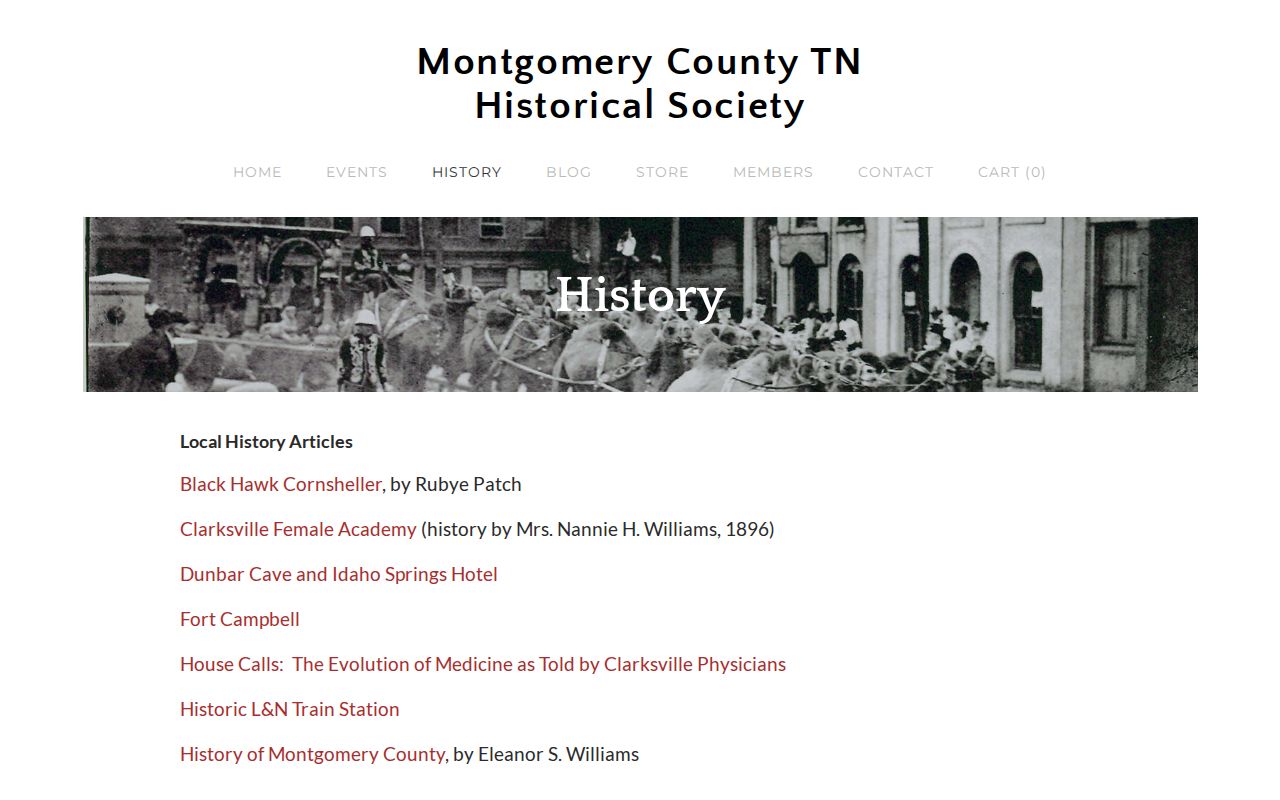
The Historical Society's named title gives a firm early lead. It should not be stretched into a claim that every intervening Clarksville year was printed, retained, or available online.
Note: A directory year is a dated listing, not a continuous record of a person's movements between editions.
Clarksville Directory Research at the Library
The Brown Harvey, Sr. Genealogy Room is the main public-library contact for a Clarksville city directory question. The library describes the collection as one of Tennessee's largest genealogy collections and traces its beginnings to county historian Ursula Beach. Books, microfilm, and digital databases make it a practical place to ask about directories, telephone books, yearbooks, newspapers, cemetery sources, church material, and census research. An in-person librarian consult is the right way to verify a specific shelf or licensed database.
Bring a surname, known spelling variants, a rough date range, and any confirmed street or family member. Ask whether the request is best served by a printed directory, a microfilm reel, a yearbook, or a newspaper source. That keeps a broad family question from becoming an unproductive search through unrelated material. The library's history page documents the room's local-history role without publishing a complete current directory inventory.
The Clarksville-Montgomery County Public Library history page introduces the Genealogy Room and its local foundations.
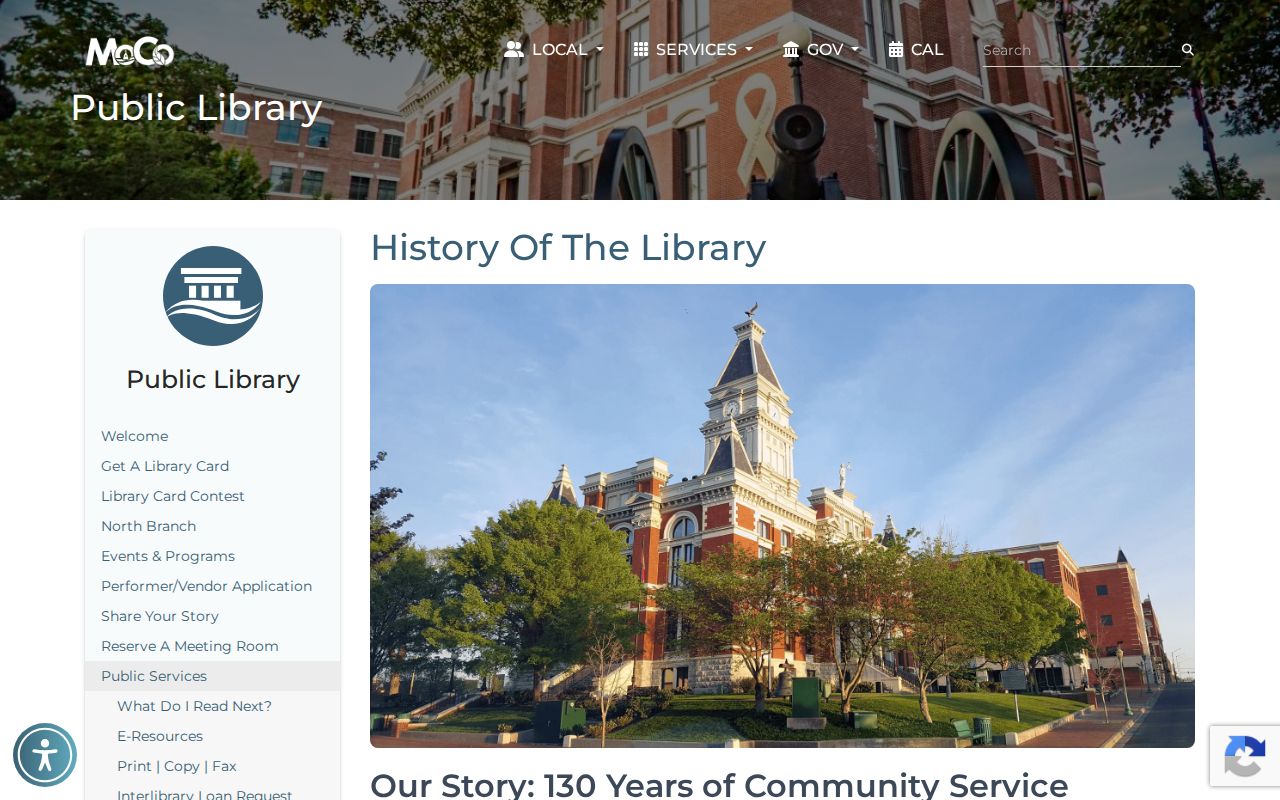
The library route supports a staff check for the exact volume or reel, rather than assuming that a documented catalog lead sits on a current shelf.
Reading a Clarksville City Directory
Open the title page before copying a name. Record the publisher, coverage year, geographic scope, and whether the book has a street or business section. Then read the full line, not only the surname. A Clarksville city directory entry may show given names or initials, a street address, an organization or occupation, a spouse or widow reference, and sometimes other marks. Only treat a field as evidence when it is visibly printed in that edition.
| Title page | Publisher, coverage year, geographic scope, and whether a street or business section is present. |
|---|---|
| Name line | Surname, given name, initials, and the way spouses, widows, or multiple adults are printed. |
| Address line | House number, street spelling, and any ward or neighborhood notation shown in the volume. |
| Organization line | Organization or occupation only when the edition actually prints it. |
| Street section | Numbered addresses, named listings, cross streets, or ranges if that edition includes them. |
| Front matter | The edition's own abbreviation key, street list, map, and geographic notes. |
- Criss-cross directory
- A reverse section arranged by street and number rather than surname, if the volume includes one.
- Householder index
- A name arrangement focused on household heads or listed household members, depending on that edition's rules.
- Abbreviation key
- The publisher's explanation of shorthand, usually in the front matter. Photograph or transcribe that edition's key first.
A local abbreviation key has not been verified from an opened Clarksville directory page. Do not import shorthand from another city or assume that a common mark has the same meaning here.
Clarksville Archives Beside City Directories
The Montgomery County Archives turns a directory clue into a broader local record search. Its holdings include deed books from 1788, probate records from 1796, county court minutes from 1805, court papers from 1808, Chancery minutes from 1840, and marriages from 1838. Those dates describe collection ranges, not a promise that every item is online or survived. They are especially useful when a listed name needs a deed, estate, court, marriage, or map context.
At the Archives, visitors register annually with photo identification and work with pencils or laptops rather than pens. Bring the surname, date range, and likely record type. The online catalog has a search-within-results box plus From year and To year fields. Search both surname-first and given-name-first forms, then give the call number or identifier to staff for the physical material. The reading room is at 350 Pageant Lane, Suite 101-D, Clarksville, with the contact and hours documented by the county.
The Montgomery County Archives collection page describes the reading-room, catalog, and historic holdings.
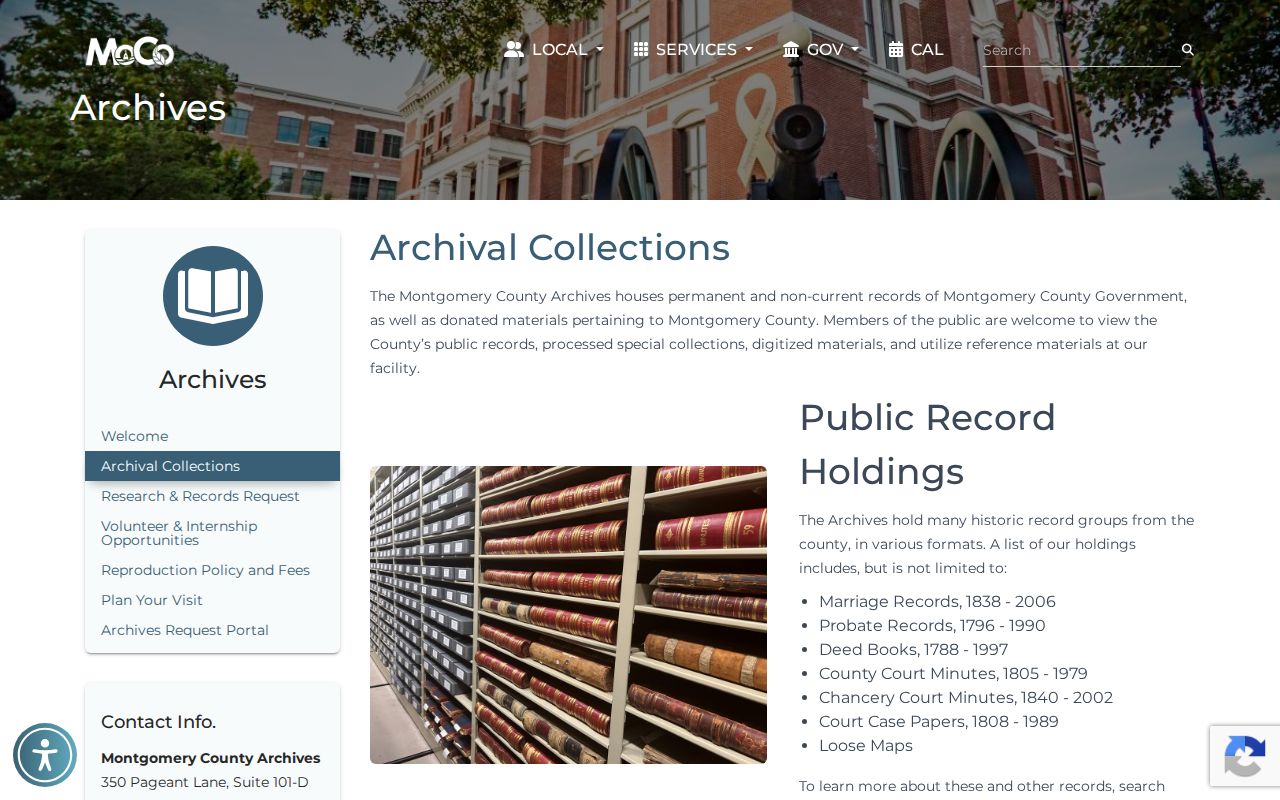
Archives record groups can test a directory name against a dated county record, but each record type has its own access and interpretation limits.
Clarksville Digital Collections and Yearbooks
Directories are not the only historical listing source. The Archives describes digital collections containing correspondence, photographs, pamphlets, scrapbooks, minute books, and yearbooks, along with a reference library and microfilm reader-printers. A yearbook or local photograph can help confirm a spelling, organization, or time period, while a directory keeps the address-oriented piece of the trail. Neither replaces an original deed, probate file, or vital record where those facts matter.
The Montgomery County Archives digital-collections entry point offers a route to selected materials.
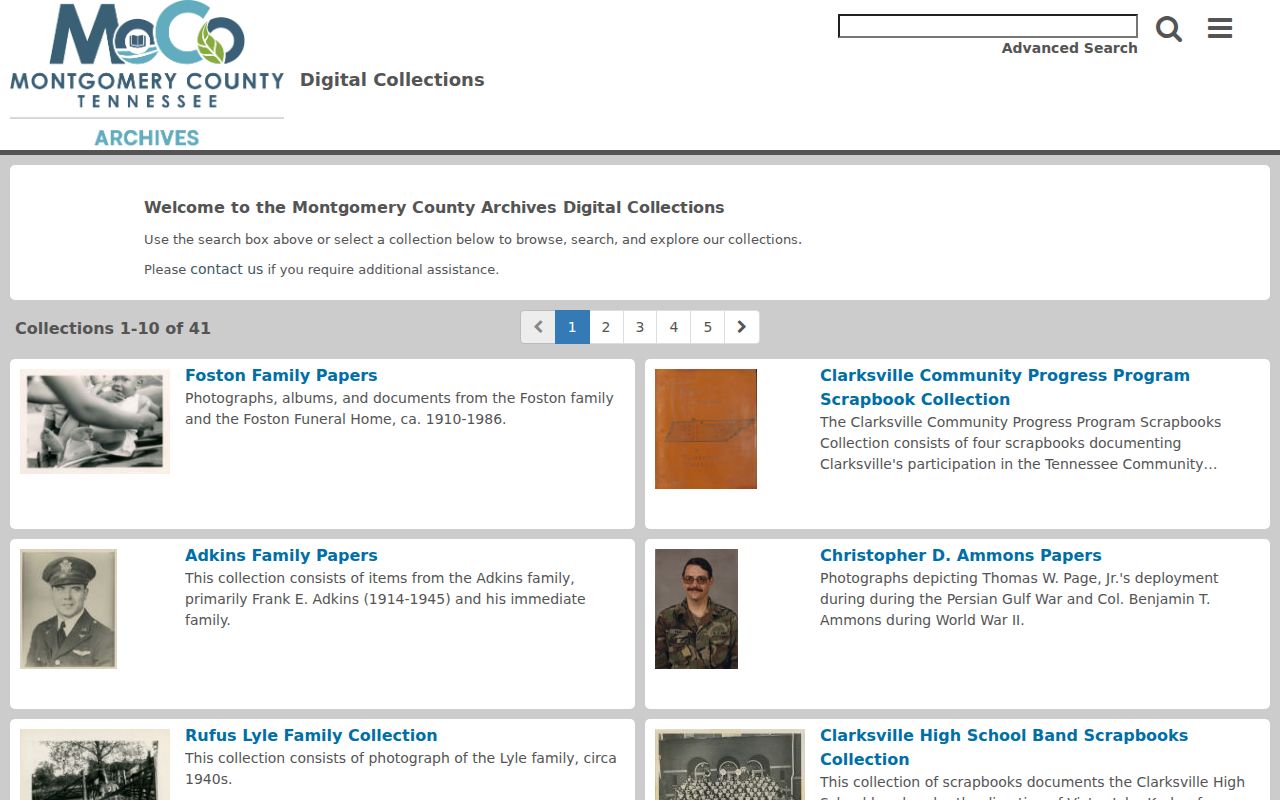
A digital collection can supply local context, but it is not evidence that a particular directory volume is digitized or that all years can be searched online.
Tracing Clarksville City Directories
Use a household trail one edition at a time. Start with a confirmed name or address, read the nearest available directory, and copy the entry exactly. Then move to the next documented edition in either direction. Spellings, initials, widow descriptions, and street changes all deserve a note. A reverse or street section can help with an address only if the volume being used actually has one. For current address-keyed records, the separate Clarksville street directory route is more appropriate.
- Find the first available Clarksville directory year that fits the person and date range.
- Copy the title-page details and each visible entry field, including spelling and street form.
- Check adjacent documented years for a move, a changed initial, a spouse or widow notation, or a missing listing.
- Pair the directory dates with released federal census snapshots, which appear at ten-year intervals under the 72-year release rule.
- Compare a promising match with age, relative names, address, and any relevant deed or probate fact before merging identities.
Directories often fill the years between census snapshots, while a census can show household composition that a directory omits. The comparison is strongest when several details agree. A disappearance can reflect a move, death, changed listing practice, or a gap in the surviving search path, so it needs an independent check.
Clarksville Obituaries After a Directory Gap
The Montgomery County Historical Society lists Richard and Bristol Gannaway's 11-volume Obituaries Compiled from Clarksville Newspapers, Montgomery County, Tennessee, 1810-1940. That compilation can give a family-history trail an endpoint when a directory listing stops. Ask the Historical Society or Archives whether the wanted death also has a cemetery, funeral-home, or newspaper-clipping lead. An obituary may identify relatives and a last known place, but it is not a certified vital record.
For a deeper Clarksville story, pair the obituary clue with the Archives probate range of 1796-1990 or historic deed books from 1788-1997 when the question concerns an estate or property transfer. The documented depth of those holdings is valuable, yet no record range should be treated as complete without checking the actual collection and access rules.
Note: A listed address is a period clue and does not by itself prove ownership, family relationship, or a continuing connection after that edition.